
Protection or Prohibition? Navigating the Social Media Ban for Minors
Date:
March 23, 2026
Author:
Priyadarshini Basu
.webp)
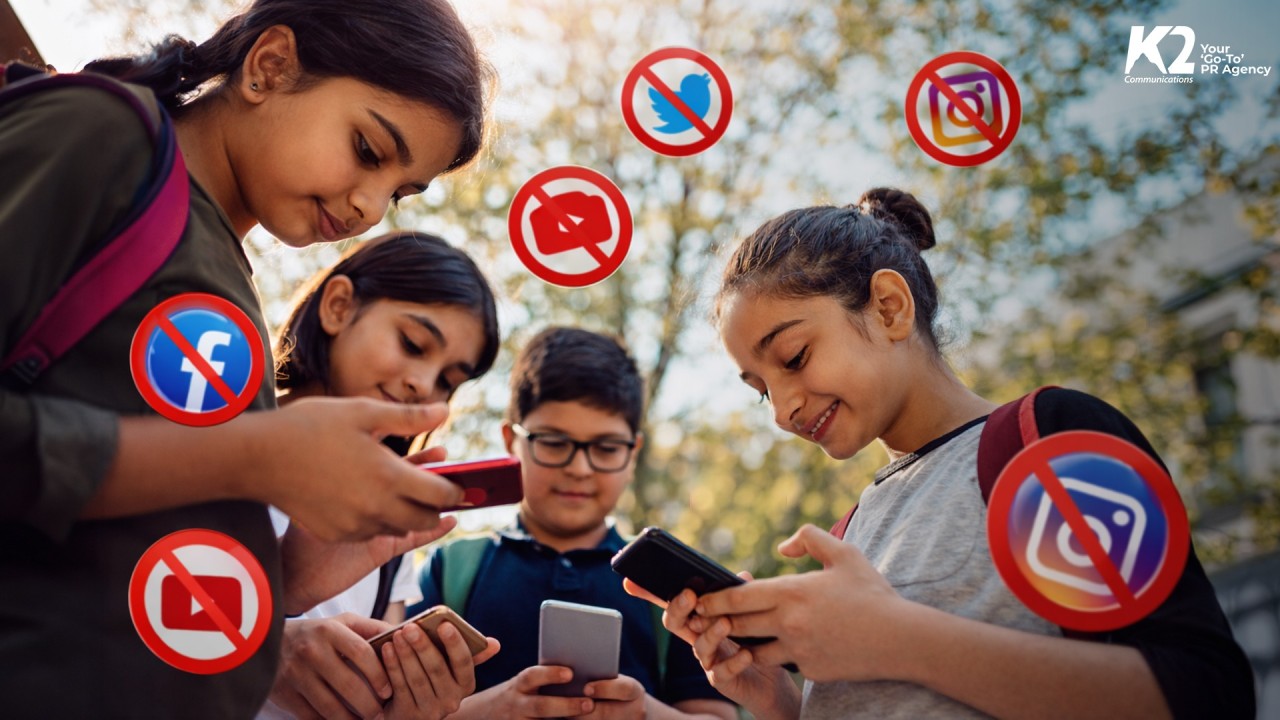



Would you believe me if I said, as a concerned single parent, this is a debate I have had with another close friend and far stricter parent for over a decade now? I remember how we fought about “control” - where she believed in restricted screen time and banning social media for her kids and I insisted on allowing limited screentime and access instead of a complete ban. My logic even 10 years ago was that any ban would only drive the child to unregulated use, connecting with strangers online, and resorting to lies. We agreed to disagree on parenting styles and all our now-adult children have done just fine in their own ways, having drawn their own social boundaries. Friday just brought back a lot of these memories for me and perhaps some shock for those in the tech and media ecosystem.
In its 2026–27 Budget announcement, Karnataka proposed a ban on social media use for children under 16, citing rising concerns around digital addiction and mental health. (https://www.reuters.com/technology/indias-tech-state-karnataka-bans-social-media-children-under-16-2026-03-06/). Almost immediately, Andhra Pradesh indicated it may introduce restrictions for children under 13, signalling that this debate is no longer theoretical — it’s becoming policy.
As a Digital Media Head, I find myself wearing two very different hats today.
The Psychologist’s View: The 'Dopamine' Debt
From a developmental standpoint, this move feels like a policy response to a growing public health concern.
Consider the scale of digital immersion:
According to Ernst & Young’s 2024 Entertainment report, Indians spent over 1 trillion hours on smartphones in 2024, averaging nearly 5 hours a day -much of it on social media and video platforms.
Studies cited in India’s Economic Survey 2025–26 link excessive social media usage with anxiety, depression, cyberbullying stress, and declining attention spans among young users.
Anyone who has worked in digital media understands a difficult truth:
The infinite scroll, push notifications, and algorithmic recommendations weren’t designed for a 12-year-old’s developing brain. They were designed for engagement.
And engagement often means dopamine loops.
As industry professionals, we must acknowledge that platform design has historically prioritised attention over protection. If we don’t address this now, we are essentially outsourcing childhood development to algorithms.
The Business Head’s View: The "Enforcement" Enigma
While the intent is noble, the pragmatist in me sees a logistical storm.
Jurisdictional Chaos: With the Union government holding the keys to the IT Act, can States enforce this?
The Shadow Digital World: As the Internet Freedom Foundation rightly points out, blanket bans often drive kids underground to unmonitored platforms, rather than teaching them 'digital hygiene'. In other words, prohibition may reduce visibility rather than reduce usage.
The Slippery Slope: If we ban social media, what about gaming or ed-tech platforms with social features? As Meta’s spokesperson hinted, targeting one sector while leaving others open creates a fragmented safety net.
The modern digital ecosystem is social by design. Drawing the line will be complex.
India is not alone in wrestling with this question.
Across the world, governments are debating age restrictions and algorithm controls, regulators are pushing platform accountability and parents are increasingly worried about screen time and online safety.
In fact, many policymakers globally are exploring design-based safeguards rather than outright bans - which may be a more sustainable model.
The Middle Path: Regulation over Restriction
Australia blazed this trail last year, and now India’s tech hubs are following. But is a "hard ban" the only way?
I believe the solution isn’t just a Keep Out sign. It’s a complete overhaul of Intermediary Accountability or a system redesign. We need:
1. Robust Age Verification: That respects privacy but ensures compliance. Platforms should know if a user is a minor, without creating surveillance ecosystems.
2. Algorithm Accountability: Forcing platforms to disable "high-engagement" (addictive) features for minors.
3. Mandatory child-safe design standards: Just like seat belts in cars.
4. Digital Literacy: Moving from "don't use it" to "here is how you use it safely". Because banning technology doesn’t build resilience. Education does.
The Bottom Line: We cannot "ban" our way out of the digital age. We must "build" our way into a safer one. As we watch the next 90 days of regulation unfold in AP and Karnataka, the industry shouldn't just push back, we should step up to co-create a framework that protects children without disconnecting them from the future.
What do you think? Is a blanket ban a necessary "reset" or a disproportionate response that will stifle India's digital natives?
#DigitalEthics #SocialMediaBan #TechPolicy #ChildSafety #IndiaTech